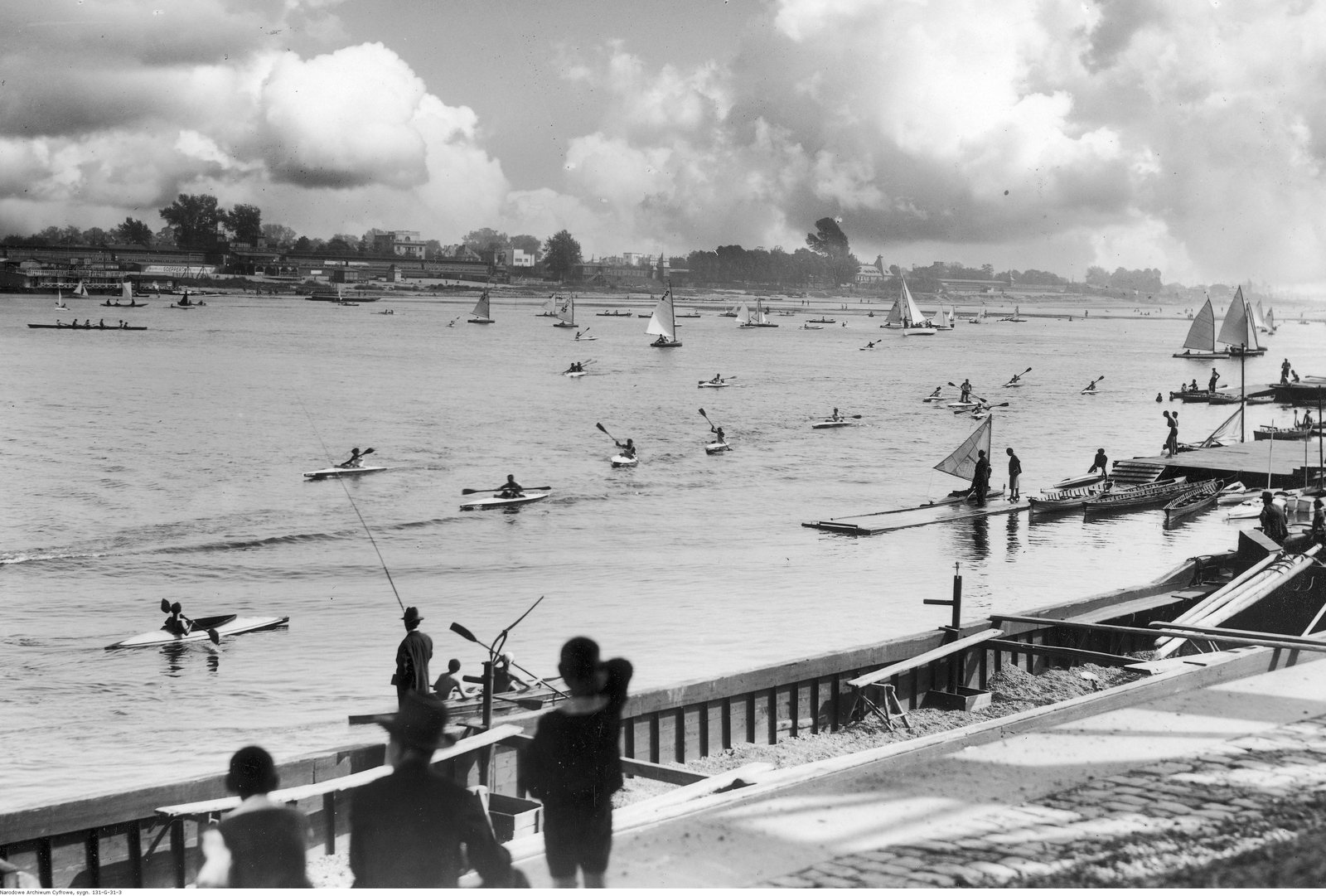
A City of New People
What is known about finding company in a new city, and how people in Warsaw go about it.

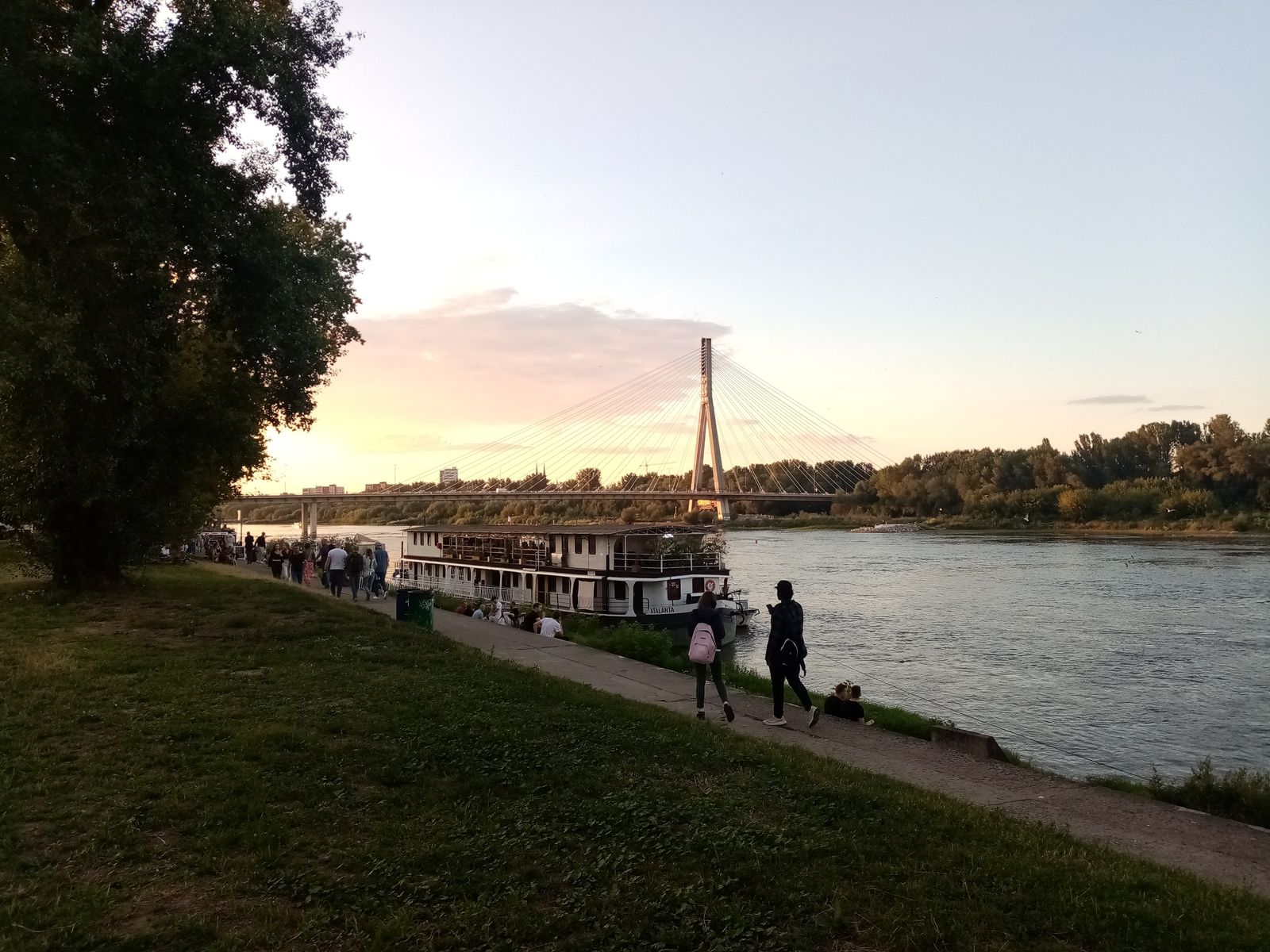
At six on a Friday evening, Warsaw looks like a city where nobody stays in. The trams are full, there is nowhere to sit on the boulevards, and you wait for a table in the beer gardens. It is easy to conclude that everyone here has someone and somewhere to be.
The numbers show something more complicated. We read the World Health Organization's report, a European survey on loneliness, a CBOS poll and a few psychology studies on how friendships start. This is what stayed with us.
The numbers first
In June 2025 the WHO Commission on Social Connection published its first report. By its estimate, one person in six in the world is lonely, and loneliness is linked to more than 871,000 deaths a year, about 100 every hour.1 Young people report it most: between 17% and 21% of people aged 13 to 29.
The report chooses its words carefully, so we will try to as well. Loneliness, in the WHO's words, is the painful feeling that you have fewer relationships than you want. Social isolation just means having few contacts, whatever you feel about it. You can live alone and be perfectly fine. You can sit in a full room and feel far from everyone.
In the European Union at the end of 2022, 13% of people surveyed had felt lonely most or all of the time, and more than a third at least some of the time.2 It was more common after a big change in life: a separation, losing a job, finishing studies.
In Poland, CBOS asked 939 adults in August 2024 whether they ever feel lonely even when there are people around them. Very often or always: 8%, twice as many as in 2017.3 Among people aged 18 to 34 it was 12% to 13%, among students 17%, and in cities of more than half a million people 12%.
The same survey has something that cheered us up a little: most Poles say they like to spend their free time with other people, and the share who would rather be alone has hardly changed since 2017. So people want company as much as they did then, and twice as many very often feel lonely. We can't explain that with a single cause, and we won't pretend we can.
A city of people from somewhere else
In July 2026 Statistics Poland (GUS) made an experimental count of how many people actually live in Warsaw, registered or not, from the traces they leave in public registers. At the end of 2025 it found about 2.075 million. About 301,000 of them, 14.5%, were foreign citizens: roughly one person in seven, and 33,000 more than a year before.4 Across Poland, almost three in four foreign residents are Ukrainian.5 GUS says the method is still being tested, so treat these numbers as estimates.
Add the people from the rest of Poland. The city's own report on its population counted nearly 230,000 students in Warsaw at the end of 2022, and a 2019 survey it quotes found that only 30% of them had lived here before their studies.6 The same report says the city grows because more people move in than move out, and that jobs are the main pull.
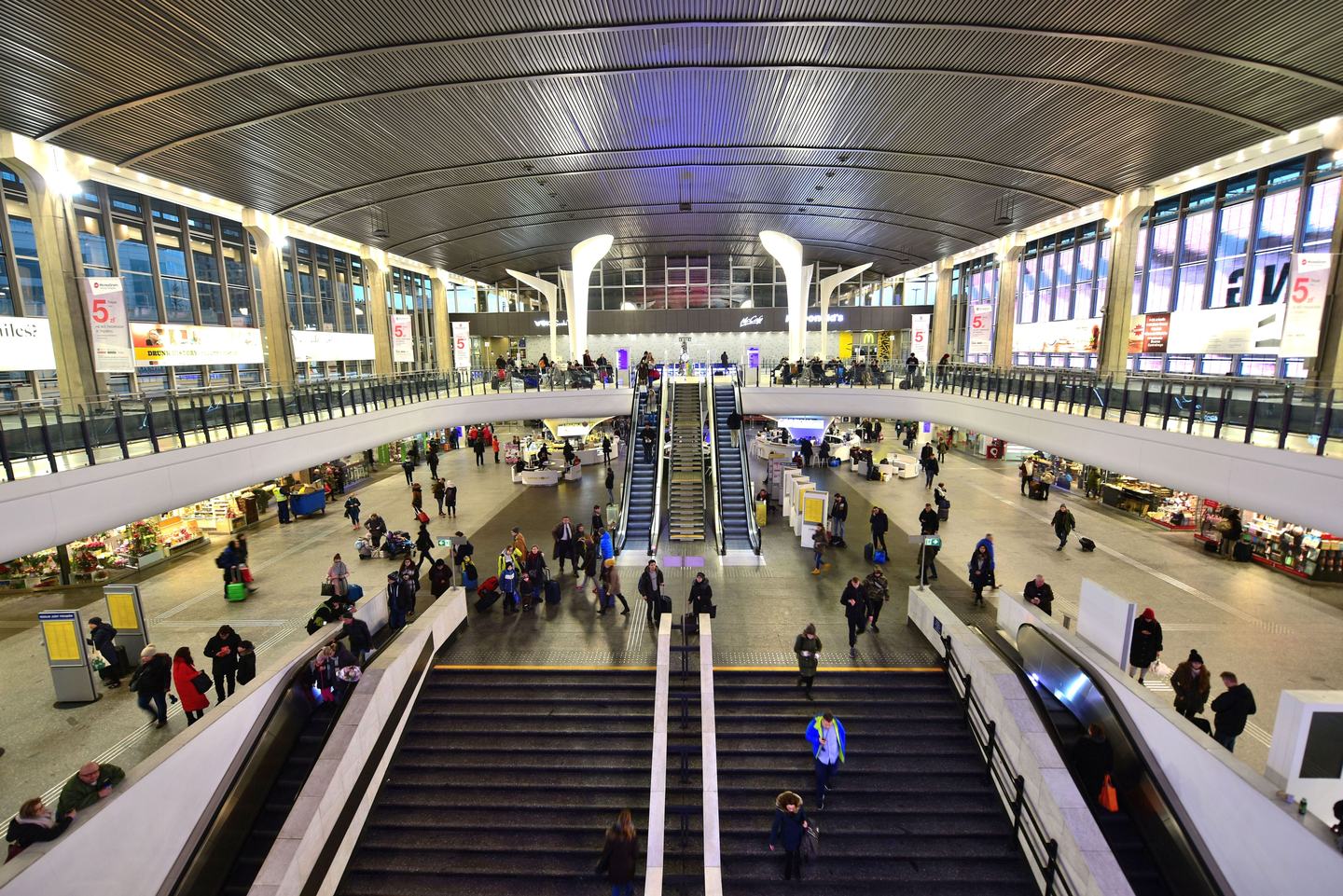
So a large part of Warsaw has not been here long. People come for work, to study, for safety, or to follow someone they love. They bring suitcases, furniture, sometimes a cat. Their friends usually stay where they were. The WHO notes that refugees and migrants face extra barriers to making connections.
We don't know how many of these people feel lonely in Warsaw. We looked for figures for the city itself and did not find any. What we do know is how long friendship takes, and that is the number we think about most.
In 2018 the communication researcher Jeffrey Hall of the University of Kansas asked 355 adults who had moved in the previous six months and were looking for friends how much time they had spent with the people they met. By his estimate, a casual friendship takes about 50 hours together, a friendship about 90, and a close friendship more than 200.7 Hours spent working together counted for less than hours spent simply together.
If you saw someone for two hours every Saturday, two hundred hours would take almost two years. Someone who has just moved starts that count at zero.
What people try, and what research says
None of the researchers we read claims there is one answer. The WHO report lists ordinary things: parks, libraries and cafés where people can meet, local groups, volunteering, getting in touch with an old friend. Below are the approaches we see people use in Warsaw, and what is known about each.
Someone who expects you
Plenty of plans die somewhere between "we should, one day" and leaving the house. A second person helps a lot. You go to the gym because someone is waiting there. You keep going to the language class because your tandem partner will ask what happened.
This one happens to be well studied. In a 1999 study by Rena Wing and Robert Jeffery, people joined a weight-loss program either alone or with three friends. Of those who came alone and got the standard program, 76% finished it, and 24% kept the full result over the next six months. Of those who came with friends and got extra support, 95% finished and 66% kept the result.8 Even people who came alone but were put in a team with three strangers kept the result more often than people left on their own. (Yes, it is a study about weight loss. We suspect running or Spanish work the same way, but nobody tested that here.)
In a 2012 study, young women rode an exercise bike either alone or next to a second person shown on a screen. Alone, they lasted about 11 minutes on average. With a partner, 20 to 22 minutes.9 It was a small study, 58 people, but it points the same way.
Knowing what's on
Finding out what is on in Warsaw takes digging, because it is spread over many websites. The city runs a culture calendar; on the day we looked, it listed 93 current events, including a weekend of independent theatre with free entry to everything.10 The city's culture portal lists 28 district culture centres, the domy kultury, with workshops, concerts and shows. Museums, clubs, climbing walls and cooking schools each announce things on their own sites. A lot of it never reaches the people who would enjoy it.
So people build their own systems: a WhatsApp group where one person always posts the good events, a newsletter, a note on the phone with places to try "one day". Our impression is that the people who go out most are not always the most outgoing. Often they just hear about things first.
Free works too
In a first year in a new city, money decides a lot of evenings. Luckily a good deal of Warsaw's culture is free, if you know when to go. PIK, the city's culture information point, lists museums with free entry on every day of the week.11 A few examples, checked on the museums' own sites: the National Museum's permanent galleries are free on Tuesdays, and Zachęta and the Museum of Warsaw on Thursdays.12 In summer the city runs free kayak trips on the Vistula at weekends; in 2026 the season ran from 31 May to 30 September. The full list of free days, day by day, is in a separate guide.
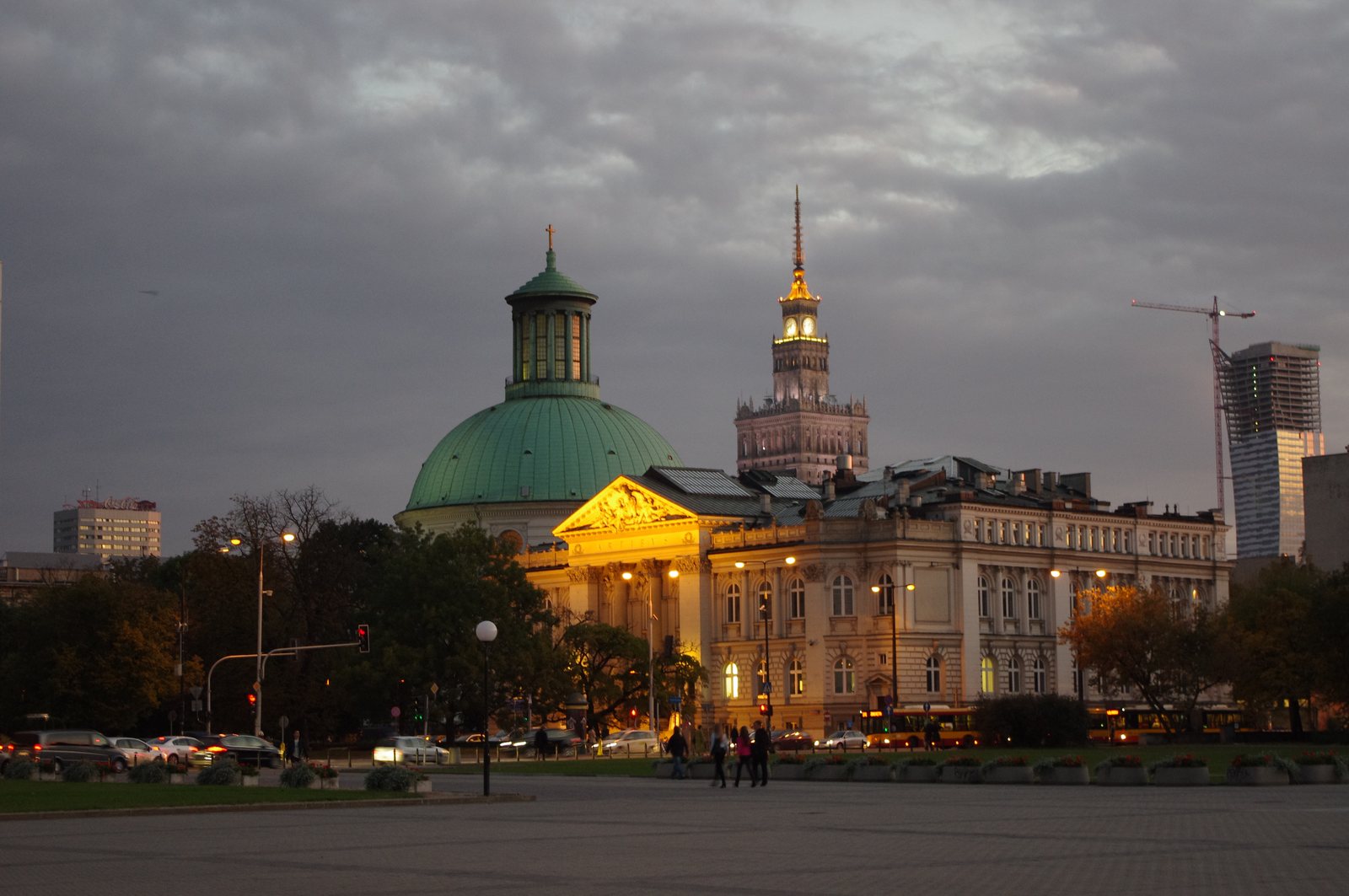
A free outing has one more advantage: it is easier to agree to. Saying yes to someone you met a week ago is much simpler when yes costs nothing.
Small groups, more than once
At a big event you can stand around all evening without a word to anyone. In a group of two to eight people that is hard to do: everyone talks, and if you don't come, someone notices.
The second thing is doing it again. In a 2015 Oxford study, researchers followed new evening classes for adults for seven months. In singing classes people felt close to their group sooner than in craft or writing classes. By the end of the seven months the other groups had caught up.13 In every group people came back each week and did something together, which is how Hall's hours add up.
With new people
Many of us assume strangers would rather be left alone. In a 2014 study by Nicholas Epley and Juliana Schroeder, commuters in Chicago predicted that a quiet ride would be more pleasant. The ones asked to talk to a stranger had the better journey.14 We tend to underestimate how much other people want to talk too.
That doesn't make the first step easy. What helps is a reason to be there other than meeting people: a game, a walk, a class, a concert. Then the activity carries the conversation, and nobody has to perform.
And with the friends you already have
Friends move away, have children, change jobs. "We must meet up sometime" turns into a year. Old friendships usually need the same thing as new ones: someone who picks a day. And taking one friend along to something new makes it easier for both of you.
If we had to pick one thing from all this research, it would be the second person who is waiting for you. The rest, a plan with a date, a small group, a low price and doing it again next week, comes more easily once that person is there. None of it needs an app.
If loneliness ever weighs more than a quiet week, talking helps. In Poland, 116 123 is a free, anonymous line for adults in emotional crisis, open day and night, and 116sos.pl has a chat.15
We make Spotka, an app meant to make these things easier to set up in Warsaw, with friends, with new people, or both. Everything here works without it, though. If you have your own way of doing it, write to us; we would like to read about it.
Notes
Everything checked on 25 September 2026.
- WHO, news release on the Commission on Social Connection report and the report, 30 June 2025.
- European Commission Joint Research Centre, EU Loneliness Survey results (fieldwork November and December 2022), and Berlingieri, Colagrossi and Mauri, 4 June 2023, on big life changes.
- CBOS, Kto jest najbardziej narażony na samotność?, report 115/2024, November 2024. The question was about feeling lonely despite other people being around.
- City of Warsaw, on the GUS experimental study, 2 July 2026. GUS stresses that "person present", "inhabitant" and "resident" are three different things.
- Alicja Ptak, Notes from Poland, 3 July 2026.
- City of Warsaw, Diagnoza m.st. Warszawy: Demografia (PDF), March 2025.
- Jeffrey A. Hall, Journal of Social and Personal Relationships; University of Kansas summary, March 2018. The estimates combine this group with a second one of first-year students.
- Rena R. Wing, Robert W. Jeffery, Journal of Consulting and Clinical Psychology 67(1), 1999.
- Brandon C. Irwin et al., Annals of Behavioral Medicine, October 2012.
- The city's culture calendar and list of culture centres, as of 25 September 2026. The theatre weekend is Fringe Warszawa, 25 to 27 September.
- PIK Warszawa, Kulturalna Warszawa za darmo, as of 25 September 2026.
- The visitor pages of the National Museum, Zachęta and the Museum of Warsaw, and the city's wodnawarszawa.pl, as of 25 September 2026. Hours and rules change, so check before you go.
- Eiluned Pearce, Jacques Launay, Robin Dunbar, Royal Society Open Science, October 2015.
- Nicholas Epley, Juliana Schroeder, Journal of Experimental Psychology: General, 2014.
- 116sos.pl, as of 25 September 2026.
Some dates in this guide may have passed. Check the organiser’s page before you go.