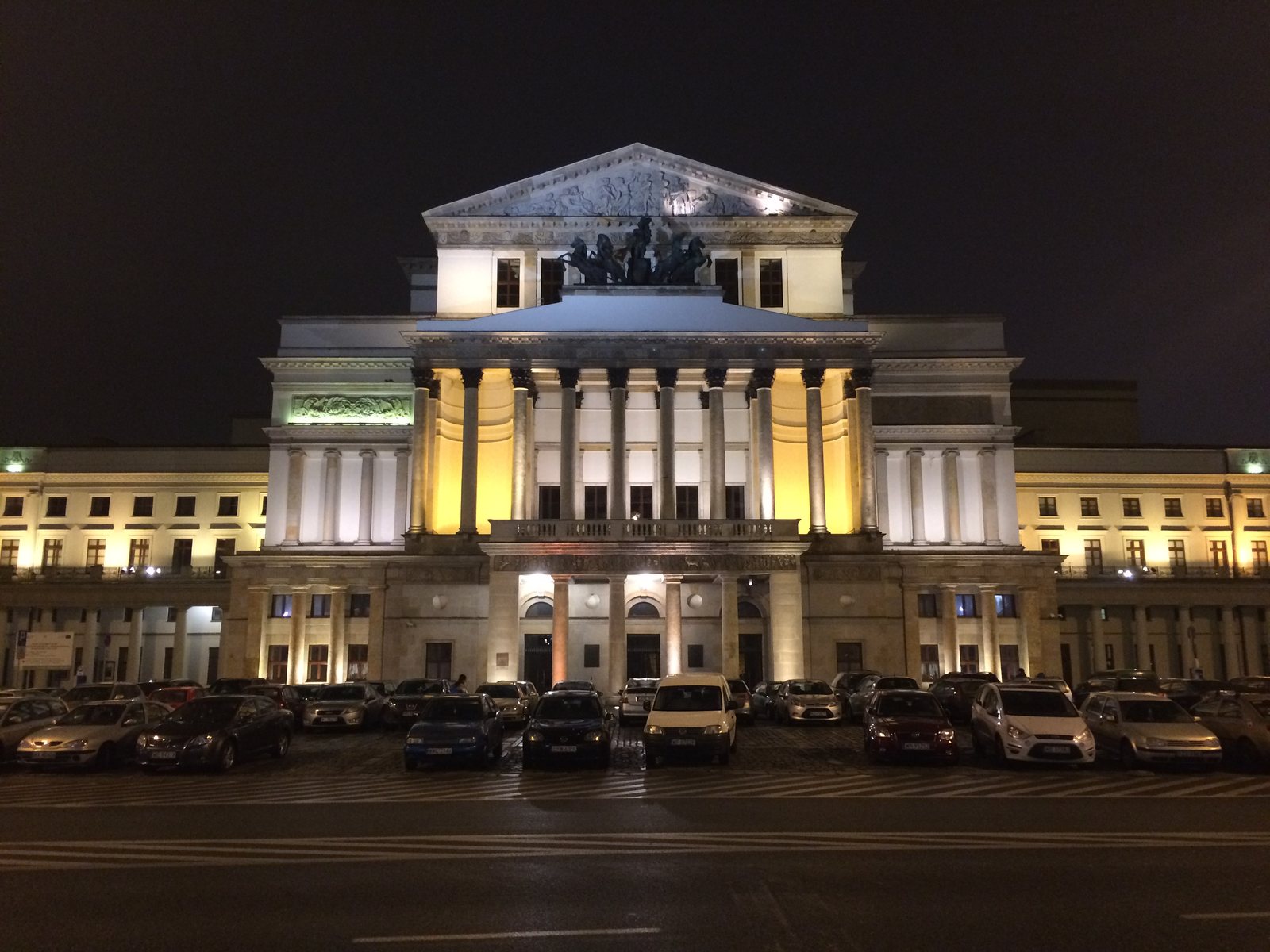
Your First Month in Warsaw
Tickets, the city card, the library, learning Polish and your first weekends. A practical guide for people who have just moved here.

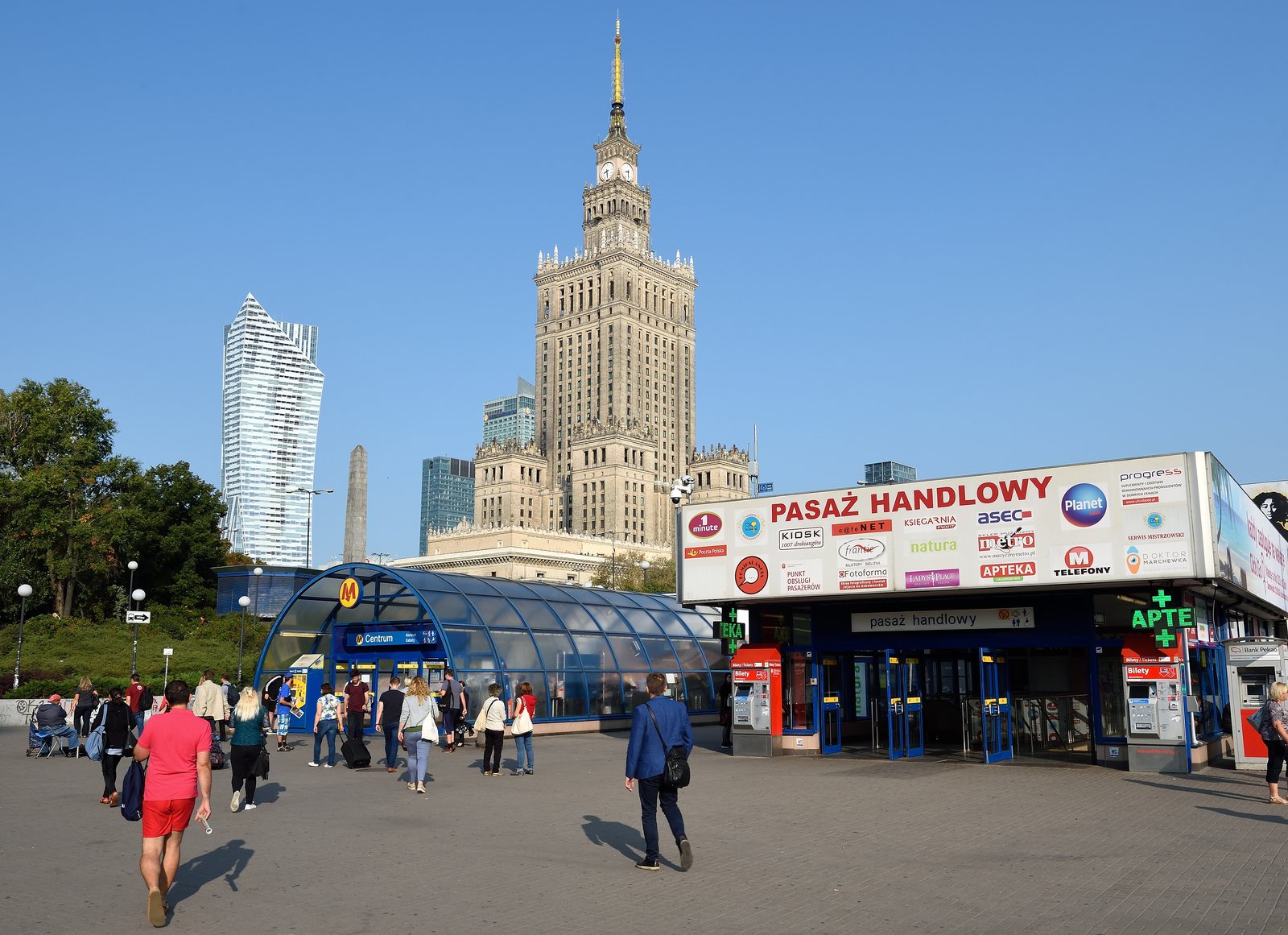
The first weeks in a new city are mostly small things: which ticket to buy, where to get a library card, who to call when something doesn't work. We've collected what we would have wanted to know at the start, checked on the websites of the city and of the organisations that help newcomers. At the end there are a few ideas for your first weekends.
This guide is for people who've moved from abroad and for people who've come from elsewhere in Poland. It doesn't cover residence permits or visas; it only points to the official pages to start from.
Prices, hours and rules come from the websites of the city and of the organisations themselves, as of 2 October 2026.
Getting around
Short tickets
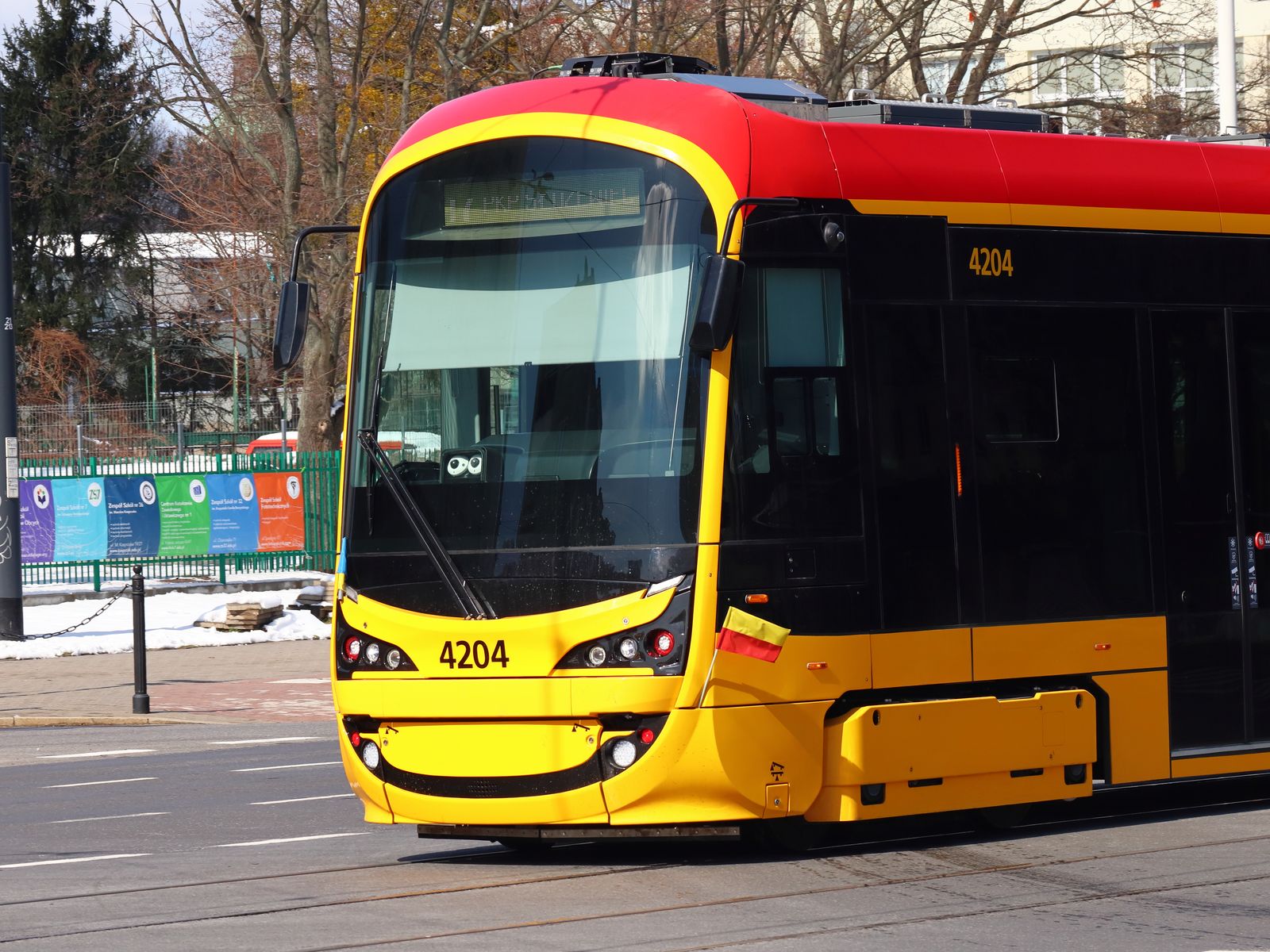
The ticket you'll use most is the 75-minute one, 4.40 zł for zone 1, with as many changes as you like. For a short hop the 20-minute ticket is 3.40 zł. A 24-hour ticket is 15 zł for zone 1, and the weekend ticket, valid from Friday 19:00 to Monday 8:00, is 24 zł. There's also a weekend group ticket for 40 zł that covers up to five people, which is very cheap for a day out together.
You validate a paper ticket as soon as you get on, or at the gate in the metro. The machines at stops take cash and cards and have instructions in English, Ukrainian, Russian and German. Every bus and tram has a machine on board that takes cards, contactless included; a ticket bought there is already validated and has a QR code that opens the metro gates. Apps sell tickets too, including jakdojade, moBilet and SkyCash, and through SkyCash you can buy one inside Revolut.
Good to know: time tickets don't work on buses with an L in the number. They do work on the train to Chopin Airport (between Warszawa Płudy and Lotnisko Chopina). Students of foreign universities under 26 with an ISIC card pay half.
Monthly tickets and the city card
If you travel every day, a 30-day ticket is 110 zł for zone 1 and 180 zł for zones 1 and 2. It goes on the Warsaw City Card (Warszawska Karta Miejska), a plastic card with your photo. The first card is free; you need a photo, your name and a PESEL number, or your date of birth if you're from abroad. You get it at a passenger service point, or online through e-POP if you have a Polish e-ID (profil zaufany). The point at Centrum metro station (pavilion 2010 B) also opens on Saturdays from 8:00 to 15:00; the others are usually weekdays only, 7:00 to 20:00.
Later on, remember the Varsovian Card (Karta Warszawiaka): with it, a 30-day ticket for both zones costs 98 zł instead of 180. You get it once you're permanently registered in Warsaw or have filed your income tax with a Warsaw tax office, so usually not in your first month.
The city app: mobiWAWA sells tickets, but since July 2025 a new account can only be set up through Węzeł Krajowy, which means a Polish e-ID or Polish online banking. At first it's easier to use another app or a machine.
At night and by bike
The metro runs roughly from 5:00 to 1:00, and on Friday and Saturday nights until about 3:00, every fifteen minutes or so. After 23:00 night buses with an N in the number run every 30 or 60 minutes; the main lines meet at Dworzec Centralny, usually at a quarter past and a quarter to the hour. Tickets are the same as by day.
Veturilo city bikes run until 30 November. The first 20 minutes of every ride are free, then it's 1 zł until the end of the first hour; you top up 10 zł when you open an account in the app. The app has English and Ukrainian versions.
Where to get help
The city on 19115
The city answers on 19115 (from abroad +48 22 22 19115) around the clock. Its pages confirm service in Polish and Ukrainian; they don't say whether English is available by phone. There's also a chat, the email address [email protected] and the free Warszawa 19115 app, where you can report problems, check bin collection days, air quality and the nearest pharmacies, and book appointments at city offices.
The city also has a "Welcome to Warsaw" page in English, Ukrainian and Russian, about offices, health and schools, and a team for foreigners at [email protected]. For residence matters the city points to the Mazovian Voivodeship Office's page for migrants and to the Office for Foreigners.
Warsaw Multicultural Centre
Jagiellońska 54, Praga-Północ
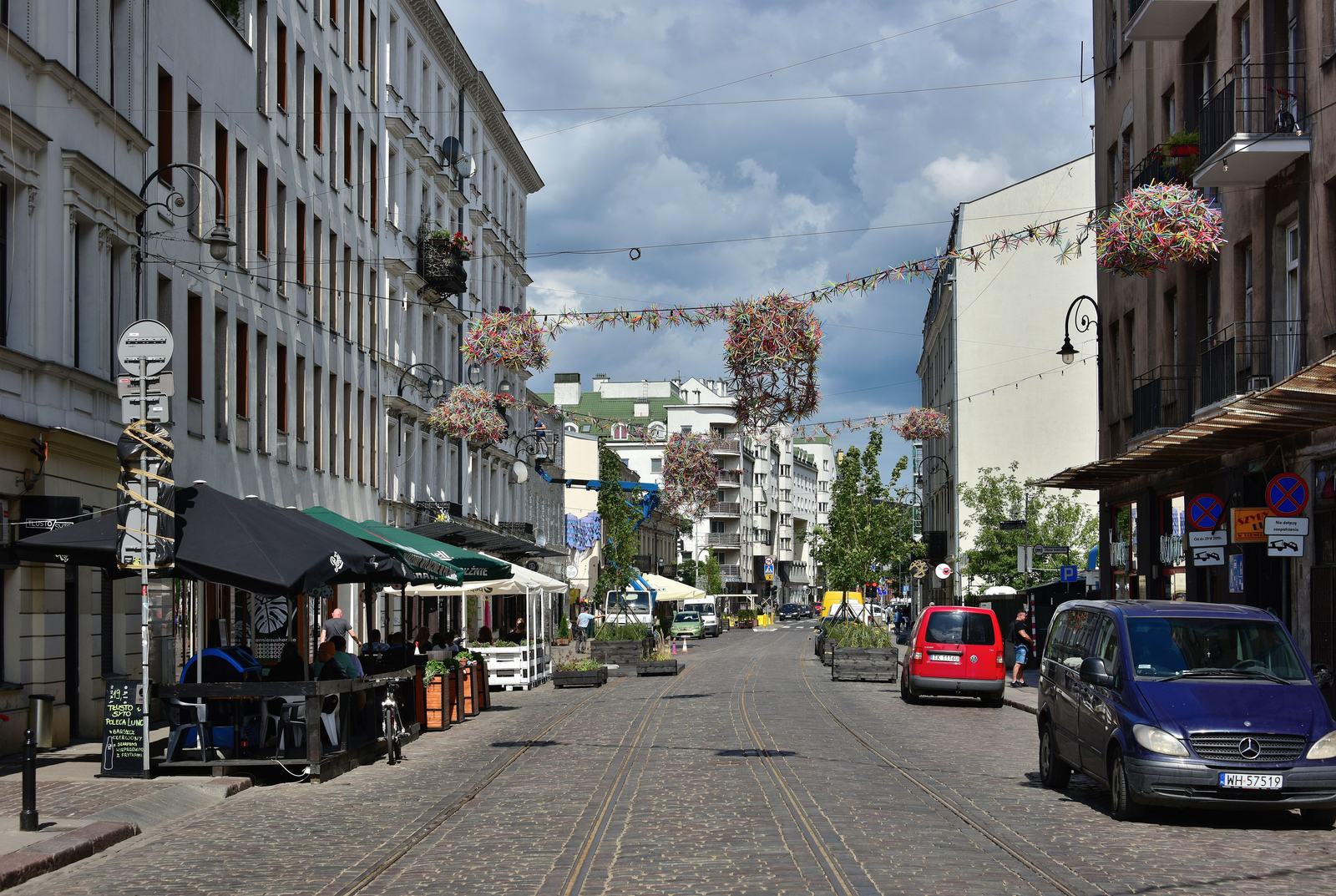
The Multicultural Centre (Centrum Wielokulturowe) gives migrants free advice in Polish, Ukrainian, English and Russian, Monday to Friday from 10:00 to 17:00. It also offers legal advice in Polish, Ukrainian, Russian, English and French, which you book on 22 648 11 11 or at [email protected], plus psychological and career support and language cafés.
Every Wednesday from 18:00 to 20:00 there's a free Polish language café, with conversations led by native speakers. The next one is on 7 October.
Hours: Monday-Friday 10:00-20:00, Saturday 10:00-16:00.
Learning Polish
Besides the language café at the Multicultural Centre, there are a few cheap or free options.
- Fundacja Ocalenie runs free Polish courses up to A2 level, twice a week for 90 minutes, at Jagiellońska 74. The autumn semester has already started; sign-up for the next one is 7-9 December 2026, through a form with a placement test. Refugees and non-EU migrants come first, but any adult foreigner living in Warsaw can apply.
- The "Poliglotka" library at Nowolipki 21 has books in 13 languages, Polish textbooks and an A1 Polish course (the autumn round has started). It's open Monday to Friday 9:00-19:00 and Saturday 10:00-15:00.
- For comparison, a course at Polonicum, the University of Warsaw's school of Polish, costs 2,110.50 zł for 63 hours. The next term starts on 11 January 2027, with sign-up from 7 December.
A library card
Library cards in Warsaw are free, but there isn't one card for the whole city: each of the 18 district library networks issues its own. In Wola you can sign up with any document with a photo, and the forms are in Polish, Ukrainian and English; you can also register online. At the central library on Koszykowa you get a card by filling in a form and showing a valid ID.
Neighbours and volunteering
Warsaw has more than a hundred Local Activity Centres (Miejsca Aktywności Lokalnej): free spaces where neighbours meet and run their own activities. The city's English page says you can get by in English there, and there's a map of all of them on the city's site. If you'd like to do something with other people, ochotnicy.waw.pl lists nearly a hundred volunteering offers, and for some of them other languages are a plus.
Rubbish
A small thing, but every new neighbour asks. The black bin is mixed waste, brown is food and garden waste, yellow is metal and plastic, green is glass and blue is paper. Clothes and hazardous items go to PSZOK collection points. The 19115 app has a search that tells you which bin something goes in.
Your first weekends
Łazienki and the Botanic Garden
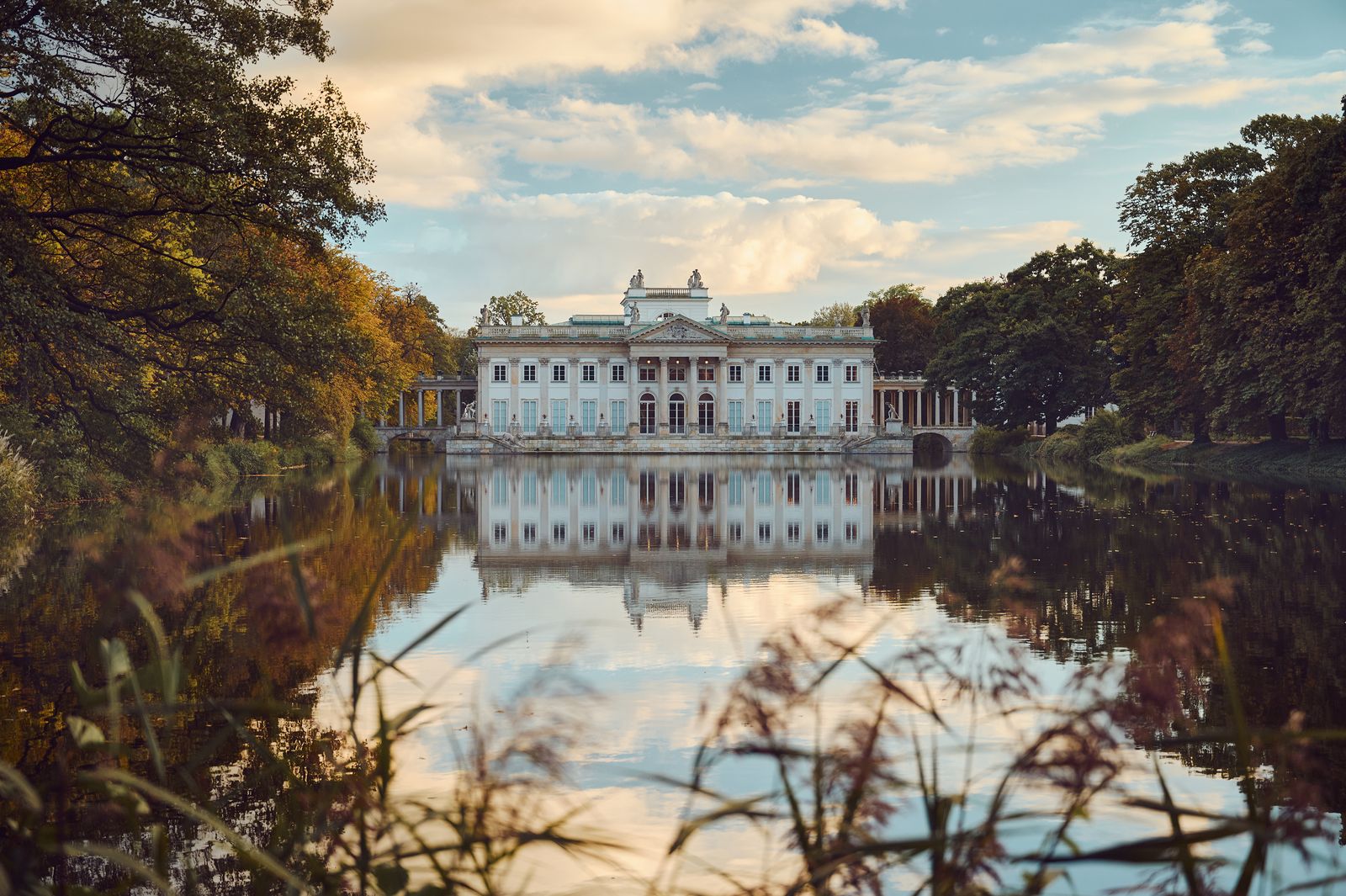
Łazienki park is open every day from 6:00 to 21:00 and is free, and on Fridays the ground-floor museum rooms are free too. Next door, at Aleje Ujazdowskie 4, is the University of Warsaw Botanic Garden: in October it's open daily 10:00-17:00, tickets 24 zł, reduced 12 zł, and on Saturdays and Sundays at 13:00 a walk with a guide is included in the ticket.
Note: the Palace on the Isle is partly closed on 7, 8, 10 and 17 October.
The Vistula boulevards
The boulevards are a free promenade along the left bank of the Vistula, from Cypel Czerniakowski to Plaża Żoliborska, with a viewpoint, cafés and a small beach. They're good for a first long walk, with a pram or in a wheelchair too, and for a talk with someone you've only just met.
Free museums on weekdays
The Museum of Warsaw on the Old Town Market Square is free on Thursdays, and the English audio guide is included in the ticket. The National Museum at Al. Jerozolimskie 3 lets you into the permanent galleries for free on Tuesdays, and the Royal Castle opens a special route for free on Wednesdays, with a limited number of passes. Every free day, day by day, is in our guide "Free, and Hardly Anyone Knows".
Hala Gwardii
Plac Żelaznej Bramy 1, Śródmieście
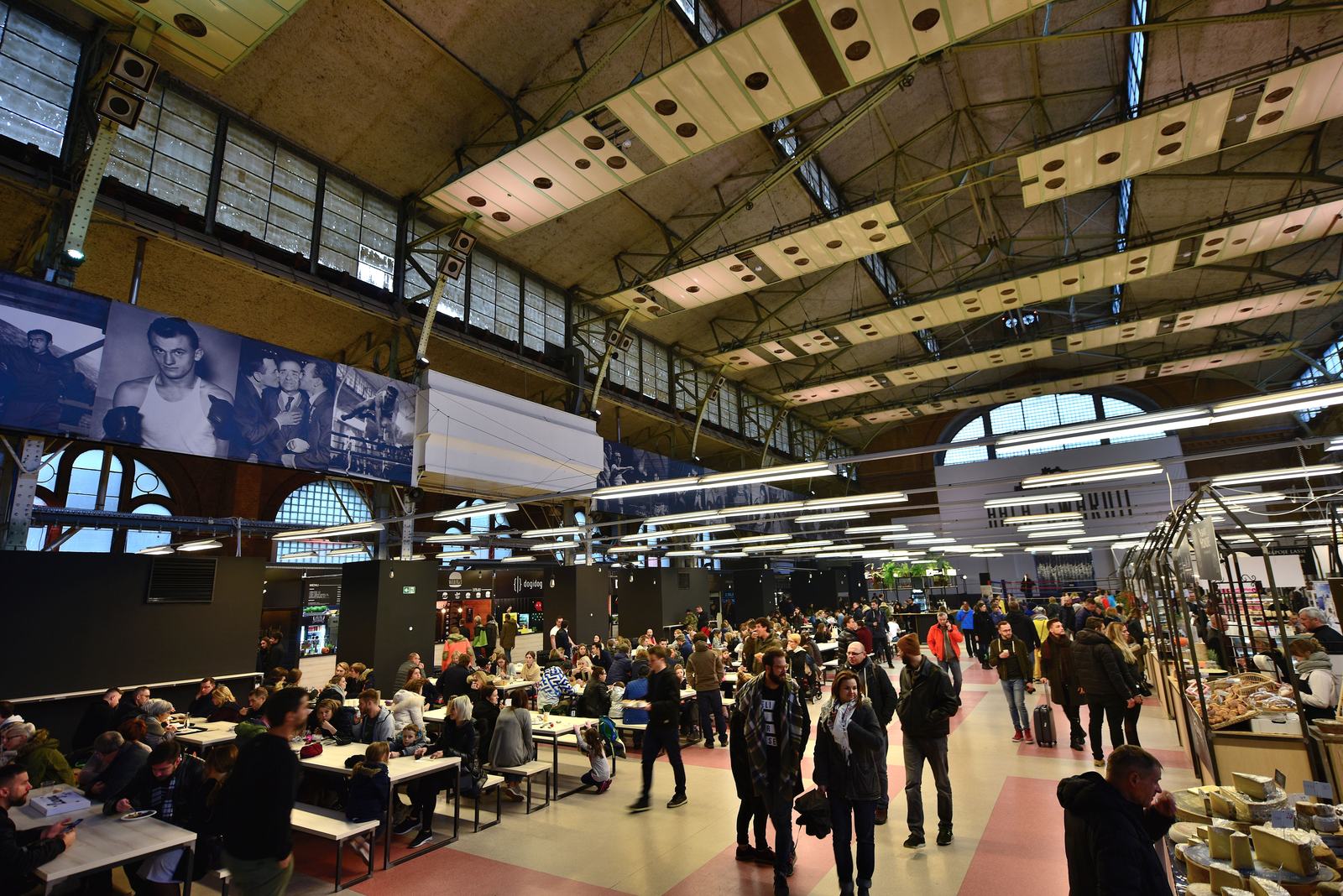
An old market hall by Plac Żelaznej Bramy, now full of food from different kitchens and long tables where you sit next to strangers. We couldn't confirm the opening hours, because the hall's website is being rebuilt.
Once you've sorted out tickets and a card, have a look at "Warsaw Before You Speak Polish", with language exchanges and stand-up, and at "Warsaw's History, Live". If something here is out of date or missing, write to us.
Where we checked
Everything checked on 2 October 2026 on the websites of the city, the transport operator and the organisations themselves.
- WTP: ticket tariff, long-term tickets, discounts, ticket machines, mobiWAWA, other apps, Warsaw City Card, Varsovian Card, service points, step by step.
- Veturilo: prices, season.
- The city: 19115, Welcome to Warsaw, sorting rules, Local Activity Centres, volunteering.
- Multicultural Centre: website, Polish language café.
- Learning Polish: Fundacja Ocalenie, Poliglotka, A1 course in the BOOK program, Polonicum.
- Libraries: Warsaw libraries, Wola for foreigners, Koszykowa.
- Weekends: Łazienki, UW Botanic Garden, the boulevards, Museum of Warsaw, National Museum, Royal Castle.
Some dates in this guide may have passed. Check the organiser’s page before you go.